Discovering asbestos in your property's floor tiles or the mastic beneath them can be a concerning find for any property owner or manager. This material, once widely praised for its durability and fire resistance, now presents a significant health risk when disturbed. The critical decision often boils down to whether encapsulation or complete removal is the safer and more effective long-term solution for your property. At MKD Property Maintenance LLC, we understand the complexities involved in such situations and are here to provide clarity and expert guidance.
Understanding Asbestos in Flooring Materials
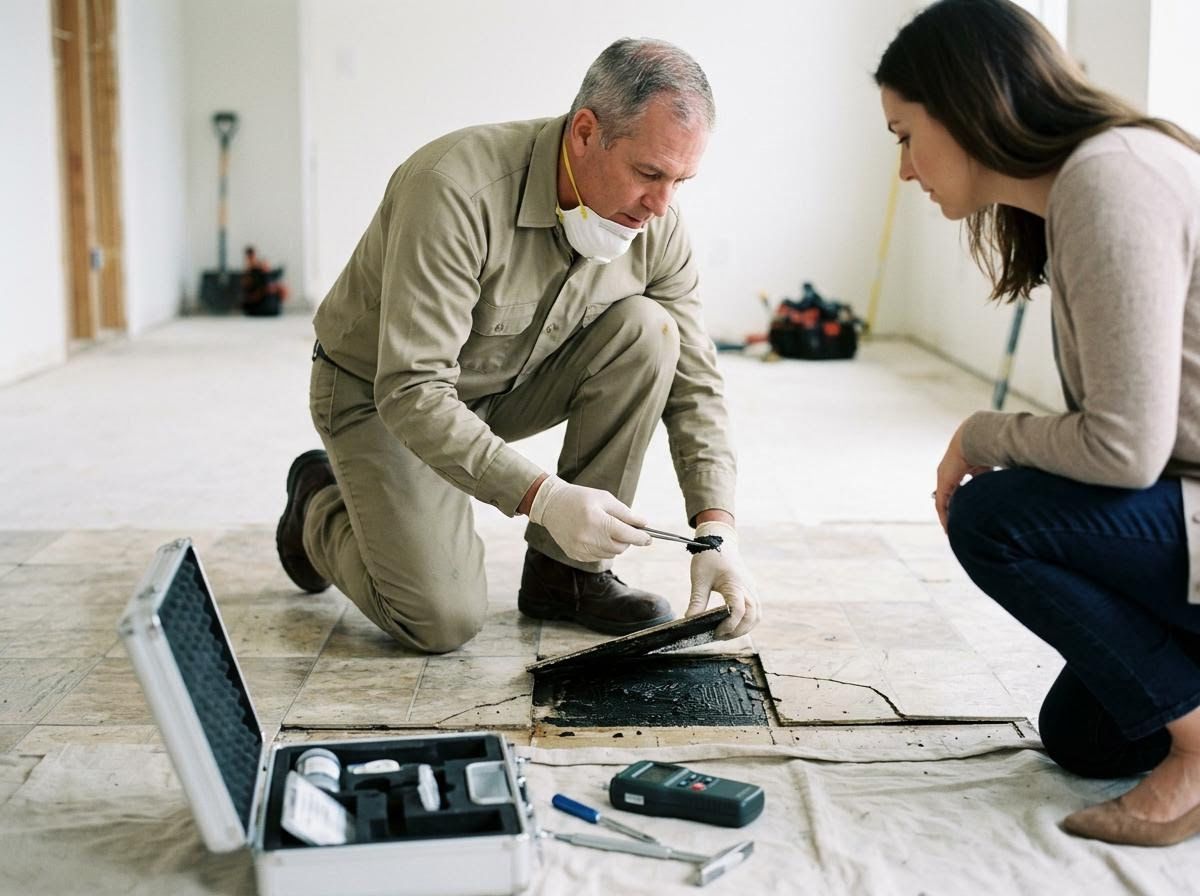
Asbestos was a popular additive in construction materials for decades, including vinyl floor tiles, linoleum, and the black mastic adhesive used to secure them. Its presence is common in buildings constructed or renovated before the 1980s. When these materials are intact and undisturbed, the asbestos fibers are typically contained and pose a low risk. However, damage, wear, or attempts at DIY removal can release microscopic fibers into the air, which, if inhaled, can lead to serious respiratory diseases. Identifying the presence of asbestos is the first crucial step, often requiring certified asbestos testing by trained professionals.
Encapsulation: A Viable Option for Contained Asbestos
Encapsulation involves sealing off asbestos-containing materials (ACMs) with a protective barrier, effectively preventing the release of fibers. This method is often considered when the asbestos material is in good condition, not crumbling, and not likely to be disturbed. For instance, if the floor tiles are stable and you plan to install new flooring directly over them, encapsulation might be a suitable, less invasive, and more cost-effective option. It's important to note that encapsulation is not a permanent solution but rather a management strategy that requires ongoing monitoring to ensure the integrity of the sealant. This approach is usually recommended only after a thorough assessment by a qualified professional.
Removal: When It's the Necessary Course of Action
Complete asbestos floor tile removal is typically recommended when the material is significantly damaged, deteriorating, or if renovation plans involve disturbing the flooring. It is also the preferred method if future access or disruption to the area is anticipated, or simply for complete peace of mind. While more involved and generally more expensive than encapsulation, removal permanently eliminates the source of the asbestos hazard from your property. This process requires specialized equipment and strict adherence to safety protocols to prevent contamination, making professional asbestos abatement New Jersey services essential. In cases of extensive damage or planned demolition, emergency asbestos removal might even be necessary to safeguard occupants and workers.
Making an Informed Decision with Professional Guidance
Deciding between encapsulation and removal should never be done without expert consultation. The specific condition of your flooring, the extent of asbestos presence, the planned use of the space, and local regulations all play a critical role in determining the safest and most effective strategy. Getting certified asbestos testing will confirm the presence and type of asbestos. After testing, a professional asbestos abatement contractor can assess the risks and provide tailored recommendations. Searching for asbestos testing near me can help you locate qualified experts who can accurately assess your situation and guide you toward the best solution for asbestos floor tile removal or management.
Addressing asbestos in floor tiles and mastic requires a careful, informed approach to ensure the safety and well-being of all occupants. The choice between encapsulation and removal depends on a variety of factors best evaluated by experienced professionals. We encourage you to seek expert advice to understand the specific risks and solutions for your property. To gain a deeper understanding of asbestos management and ensure your property remains safe, reach out to MKD Property Maintenance LLC for a professional consultation and assessment of your needs.